Skip to product information

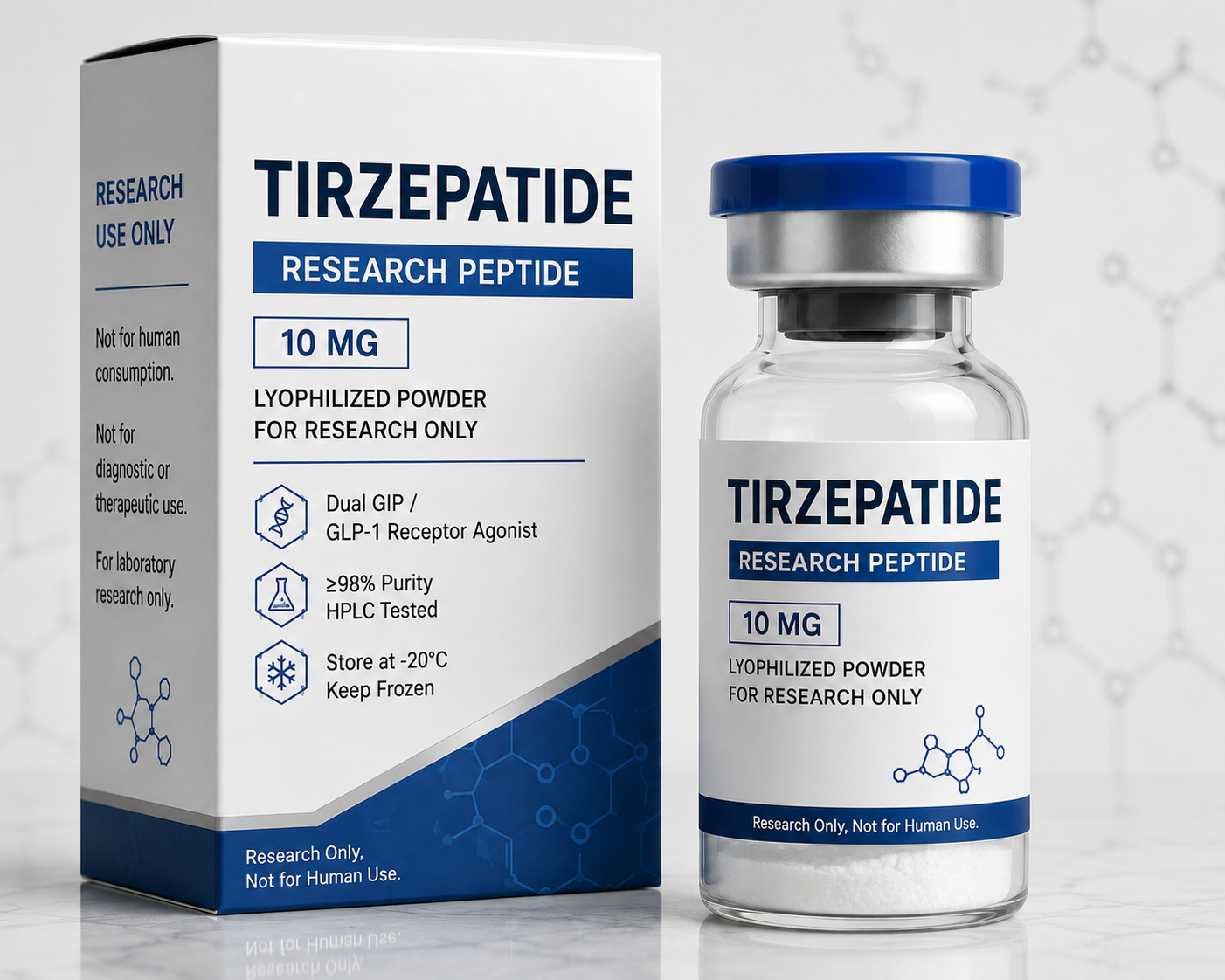
Tirzepatide

Tirzepatide

Tirzepatide GLP-1 & Metabolic/Weight Loss Peptides

Tirzepatide is a groundbreaking, first-in-class dual GIP and GLP-1 receptor agonist designed to support chronic weight management and robust metabolic health in eligible adults. By uniquely targeting two distinct incretin hormone receptors simultaneously, it offers unprecedented efficacy in regulating appetite, optimizing insulin sensitivity, and supporting profound metabolic shifts when combined with a proper diet and exercise routine. Administered as a once-weekly injection, Tirzepatide represents the next evolution in long-term weight management and metabolic care under medical supervision.

View full details

Quick Facts

Tirzepatide is a groundbreaking, first-in-class dual GIP and GLP-1 receptor agonist designed to supportchronic weight management and robust metabolic health in eligible adults. By uniquely targeting twodistinct incretin hormone receptors simultaneously, it offers unprecedented efficacy in regulating appetite,optimizing insulin sensitivity, and supporting profound metabolic shifts when combined with a proper dietand exercise routine. Administered as a once-weekly injection, Tirzepatide represents the next evolutionin long-term weight management and metabolic care under medical supervision.

Peptide Name
Tirzepatide
Drug Class
Dual GIP and GLP-1 Receptor Agonist
Adminstration
Once Weekly Injection
FDA Approval
2022 (Type 2 Diabetes), 2023 (Weight Management)
Typical Maintenance Dose
5mg, 10mg, or 15mg
Starting Dose
2.5mg
Injection Sites
Abdomen, Thigh, Upper Arm
Treatment Duration
Long-term under medical supervision
Storage
Refrigerated (2°C - 8°C)
Prescription Required
Yes
Average Weight Loss
20%+ body weight in studies
Best for
Advanced weight management and comprehensive metabolic support

What Is Tirzepatide?

Introduction to Dual Incretin Action Tirzepatide represents a monumental paradigm shift in the fields of endocrinology and bariatric medicine.For years, the gold standard in pharmacological weight management was centered around singularreceptor agonists. Tirzepatide disrupts this standard by introducing a "twincretin" mechanism—it acts asa dual agonist for both Glucose-dependent Insulinotropic Polypeptide (GIP) and Glucagon-Like Peptide-1(GLP-1) receptors. These are naturally occurring incretin hormones produced in the gastrointestinal tractthat play critical roles in metabolism, blood sugar regulation, and appetite signaling. By synthesizing amolecule that activates both pathways simultaneously, Tirzepatide achieves a synergistic effect thatdrives metabolic improvements far beyond what singular hormone therapies have historicallyaccomplished. This dual-action approach not only maximizes physiological efficacy but also opens newavenues for treating complex metabolic syndromes. Understanding the Incretin System and the Gut-Brain Axis

Understanding the Incretin System and the Gut-Brain Axis To fully grasp how Tirzepatide functions, it is essential to understand the incretin system and the gut- brain axis. Incretins are metabolic hormones released into the bloodstream within minutes of eating. They signal the pancreas to release insulin in a glucose-dependent manner, meaning they only stimulate insulin when blood sugar levels are elevated, thereby minimizing the risk of hypoglycemia. Simultaneously, these hormones communicate directly with the central nervous system, specifically the hypothalamus, which acts as the brain's command center for hunger and satiety. In individuals with obesity or metabolic dysfunction, this incretin signaling is often blunted, dysregulated, or entirely impaired. Natural incretins have an incredibly short half-life—often destroyed by enzymes in the body within minutes. Tirzepatide is molecularly engineered to resist this rapid degradation, allowing it to remain active in the system for a full week, providing continuous, stable metabolic correction. The Specific Role of GLP-1 (Glucagon-Like Peptide-1) The GLP-1 component of Tirzepatide performs several vital functions. First, it powerfully regulates appetite by binding to receptors in the brain, sending strong signals of satiety and fullness even after consuming smaller portions of food. Second, it slows down gastric emptying. By keeping food in the stomach longer, the physical sensation of fullness is prolonged, which naturally curbs the desire to snack or overeat between meals. Third, GLP-1 inhibits the secretion of glucagon—a hormone that normally prompts the liver to release stored sugar into the bloodstream. By suppressing abnormal glucagon spikes, GLP-1 helps maintain stable, healthy blood glucose levels throughout the day. This stable blood sugar profile prevents the sharp peaks and crashes that often drive intense sugar cravings and energy slumps. The Specific Role of GIP (Glucose-Dependent Insulinotropic Polypeptide) While GLP-1 has been utilized in medicine for over a decade, the integration of GIP is what makes Tirzepatide truly revolutionary. For a long time, the role of GIP in weight management was misunderstood, as it was historically thought to promote fat storage. However, modern clinical research revealed that when GIP is combined with GLP-1, it actually enhances weight loss and improves metabolic parameters. GIP has distinct receptors in adipose (fat) tissue, the brain, and the pancreas. In the pancreas, GIP works alongside GLP-1 to robustly improve beta-cell function and insulin secretion. In the brain, GIP receptor activation further suppresses appetite, augmenting the effects of GLP-1. Perhaps most importantly, GIP appears to have a unique smoothing effect on the gastrointestinal tract. Clinical observations suggest that activating GIP receptors helps mitigate some of the traditional nausea and gastrointestinal distress typically associated with pure GLP-1 medications, potentially allowing patients to tolerate higher, more effective doses. The Synergistic "Twincretin" Effect The combination of GIP and GLP-1 in a single molecule creates a synergy where the total effect is greater than the sum of its parts. This dual agonism fundamentally alters how the body partitions nutrients and utilizes energy. Rather than simply suppressing appetite, Tirzepatide acts as a metabolic reset switch. It shifts the body's preference away from storing calories as visceral fat and towards utilizing stored lipids for daily energy expenditure. The GIP component acts as an amplifier for the GLP-1 component, enhancing its insulin-sensitizing effects while simultaneously buffering the tolerability profile. This synergy is why clinical data consistently shows profound, unmatched weight reduction, pushing pharmacological interventions into a realm of efficacy previously only seen with invasive bariatric surgery. Neurological Impacts and the Eradication of "Food Noise" One of the most profound, life-altering benefits reported by patients taking Tirzepatide is the alleviation of "food noise." Food noise refers to the constant, intrusive, and obsessive thoughts about food, eating, cravings, and meal planning that plague many individuals struggling with obesity. This psychological burden is driven by dysregulated neurological reward pathways and hyperactive hunger signaling. Tirzepatide crosses the blood-brain barrier and binds directly to receptors in the reward centers of the brain. By correcting these chemical imbalances, it effectively mutes the obsessive internal dialogue surrounding food. Patients frequently report a newfound sense of freedom and mental clarity; food is demoted from an overwhelming psychological fixation to a simple biological necessity. This neurological shift is vital for long-term behavioral change, allowing individuals to make conscious, healthy dietary choices without fighting their own biology. Metabolic Rehabilitation: Liver, Pancreas, and Lipid Profiles Beyond numbers on a scale, Tirzepatide facilitates deep metabolic rehabilitation at the cellular organ level. In the liver, it actively promotes the clearance of ectopic fat (fat stored within the organ itself), drastically reducing the severity of non-alcoholic fatty liver disease (NAFLD), a common comorbidity of obesity. By clearing hepatic fat, insulin resistance at the liver is significantly reduced. In the pancreas, Tirzepatide protects and rehabilitates beta cells, restoring their ability to sense glucose and secrete insulin appropriately. Furthermore, the medication drives impressive improvements in circulating lipid profiles, significantly lowering fasting triglycerides and reducing LDL (bad) cholesterol while optimizing systemic lipid metabolism. Cardiometabolic Health and Systemic Inflammation Obesity is characterized by a state of chronic, low-grade systemic inflammation, which is a primary driver of cardiovascular disease. Adipose tissue, particularly visceral fat around the organs, acts as an active endocrine organ, releasing inflammatory cytokines into the bloodstream. As Tirzepatide facilitates the rapid loss of this toxic visceral fat, systemic inflammation plummets. Clinical markers of inflammation, such as C-Reactive Protein (CRP), frequently drop to normal levels during treatment. By lowering inflammation, improving lipid profiles, and reducing blood pressure as a secondary benefit of weight loss, Tirzepatide provides robust cardiometabolic protection, significantly reducing the overarching risk factors associated with heart disease, stroke, and vascular dysfunction. Impact on Mobility, Sleep, and Quality of Life The cascading benefits of the massive weight loss induced by Tirzepatide extend into every facet of physical well-being. For individuals suffering from osteoarthritis, shedding 20% or more of their body weight drastically reduces the mechanical load on weight-bearing joints like the knees and hips, leading to significant reductions in daily chronic pain and vast improvements in mobility. Additionally, respiratory mechanics improve. Many patients with obstructive sleep apnea (OSA) experience a dramatic reduction in symptoms or complete resolution of the condition as the fat pads surrounding the airway shrink. Better sleep quality further improves metabolic health, energy levels, and mood, creating a positive feedback loop that drastically enhances overall quality of life. Bridging the Gap: Biology vs. Willpower For decades, the medical community and society at large unfairly treated obesity as a moral failing or a lack of sheer willpower. Tirzepatide fundamentally validates what modern science has long known: severe obesity is a complex, chronic, neurobiological disease. When an individual attempts to lose weight through calorie restriction alone, the body actively fights back by spiking hunger hormones, lowering metabolic rate, and increasing food cravings—a biological survival mechanism. Tirzepatide overrides this biological defense. It bridges the gap between behavioral effort and physiological response, ensuring that the patient's dietary efforts are finally rewarded rather than sabotaged by their own neurochemistry. Who May Benefit • Adults diagnosed with clinical obesity (BMI ≥ 30). • Overweight individuals (BMI ≥ 27) presenting with weight-related comorbidities such as hypertension, dyslipidemia, or obstructive sleep apnea. • Patients with metabolic syndrome struggling with severe insulin resistance. • Individuals who have hit physiological plateaus with other GLP-1 therapies and require advanced metabolic intervention. • Patients seeking substantial, long-term weight reduction that rivals surgical outcomes but without the invasiveness of bariatric procedures. • Those struggling profoundly with appetite dysregulation, emotional eating tied to physiological hunger, and overwhelming "food noise."

Tirzepatide Research Studies

Published clinical and preclinical research on Tirzepatide .

SURMOUNT-1 Trial

Tirzepatide SURMOUNT-1 Trial

  • 2,539 adult participants.
  • Treatment duration: 72 weeks.
  • Average weight loss: Participants on the highest dose (15mg) lost up to 22.5% of their total body weight.
  • Tirzepatide demonstrated an unprecedented, significant improvement over placebo, setting a new benchmark for pharmacological weight loss.

SURMOUNT-2, 3, & 4 Trials2023

Tirzepatide SURMOUNT-2, 3, & 4 Trials

  • Extensive follow-up trials demonstrated efficacy in specific sub-populations, including those with pre-existing metabolic conditions.
  • Results consistently showed over 80% of participants achieving clinically significant weight loss (≥5% body weight).
  • Long-term maintenance studies demonstrated that continuous use is highly effective at preventing weight regain over extended periods.

Cardiometabolic Benefits

Tirzepatide Cardiometabolic Benefits

Clinical studies monitoring Tirzepatide have shown rapid and sustained improvements in:

  • Waist circumference and visceral fat reduction.
  • Fasting blood sugar and HbA1c normalization.
  • Systolic and diastolic blood pressure.
  • Circulating triglycerides and inflammatory markers (CRP).
  • Overall cardiovascular risk profiles.

Tirzepatide vs Other Peptides

how does Tirzepatide compare to other leading research peptides?

Feature Semaglutide Tirzepatide Liraglutide
Weekly InjectionYesYesDaily
Appetite ControlExcellentExcellentModerate
Average Weight Loss15-17%20%+6-8%
Dosing FrequencyWeeklyWeeklyDaily
Blood Sugar SupportYesYesYes
Long-Term DataExtensiveGrowingEstablished
ConvenienceHighHighModerate

Tirzepatide vs Semaglutide

  • Tirzepatide may produce greater weight loss due to its dual-agonist mechanism (GIP + GLP-1).
  • Semaglutide currently has longer-term weight management data available.
  • Both medications require physician supervision and dose titration.

Tirzepatide vs Liraglutide

  • Tirzepatide requires only weekly injections, whereas Liraglutide requires daily administration.
  • Tirzepatide produces vastly superior weight reduction (20%+ compared to Liraglutide's 6-8%).

Testing & Monitoring

Before starting Tirzepatide, healthcare providers may evaluate: Patients are generally reviewed every 4-8 weeks during the dose escalation phase to ensuresafety and comfort.

🔬

Medical History

  • Personal or family history of Medullary Thyroid Carcinoma (MTC)
  • Multiple Endocrine Neoplasia syndrome type 2 (MEN 2)
  • Previous episodes of pancreatitis
  • Gallbladder disease or severe gastrointestinal conditions

🔬

Laboratory Testing

  • Comprehensive Metabolic Panel (CMP)
  • Blood glucose and HbA1c
  • Kidney and Liver function tests
  • Fasting Lipid profile

🔬

Monitoring During Treatment

  • Trajectory of weight changes and body composition
  • Blood pressure responses
  • Gastrointestinal symptoms (nausea, constipation, reflux)
  • Overall tolerability and energy levels

Frequently Asked Questions

Everything you need to know about peptide testing, certification, and compliance.

Yes. Unused injection pens must be stored in the refrigerator between 2°C and 8°C. Once in
use, pens can generally be kept at room temperature for up to 21 days, making them relatively
convenient for travel.

Yes. You can change the day of the week you administer your injection as long as the time
between the two doses is at least 72 hours (3 days).

No. Like Semaglutide, Tirzepatide is administered only once weekly.

Clinical trials, such as the SURMOUNT-1 study, reported average weight reductions of 20%+ in
patients taking the highest doses over a 72-week period.

Many patients begin to notice a significant reduction in appetite and "food noise" within the first
24 to 48 hours of their first injection. Measurable weight changes typically begin within the first
few weeks, compounding over several months

Certification Standards

Certified Vendor Requirements

To qualify as a PeptideValidation.com Certified Vendor, companies must meet our rigorous multi-step testing and documentation standards. Certification is not bought — it is earned through independent verification.

🏆 Apply for Certification

To qualify, vendors must:

  • 📦

    Submit Batch Testing

    Vendors must submit product samples for independent third-party lab testing before listing.

  • Pass Purity Requirements

    All products must meet minimum purity thresholds verified by HPLC analysis.

  • 🔬

    Verify Identity via LC-MS

    Molecular identity of each compound confirmed through liquid chromatography-mass spectrometry.

  • 📄

    Maintain Full Documentation

    COAs, batch records, and testing documentation must be publicly available on the vendor profile.

  • 🔄

    Undergo Quarterly Re-Testing

    Certification requires mandatory re-testing every quarter to maintain active certified status.

🔒 PeptideValidation.com does not sell peptides

Looking for Certified Peptide Sources?

Access our directory of independently reviewed and tested vendors who meet our rigorous testing and validation standards.

PeptideValidation.com is an independent testing and certification platform. We do not sell peptides or receive commission from vendors.

Access Certified Vendor Directory
6+
Testing Methods
100%
Independent Testing
Q4
Quarterly Reviews