

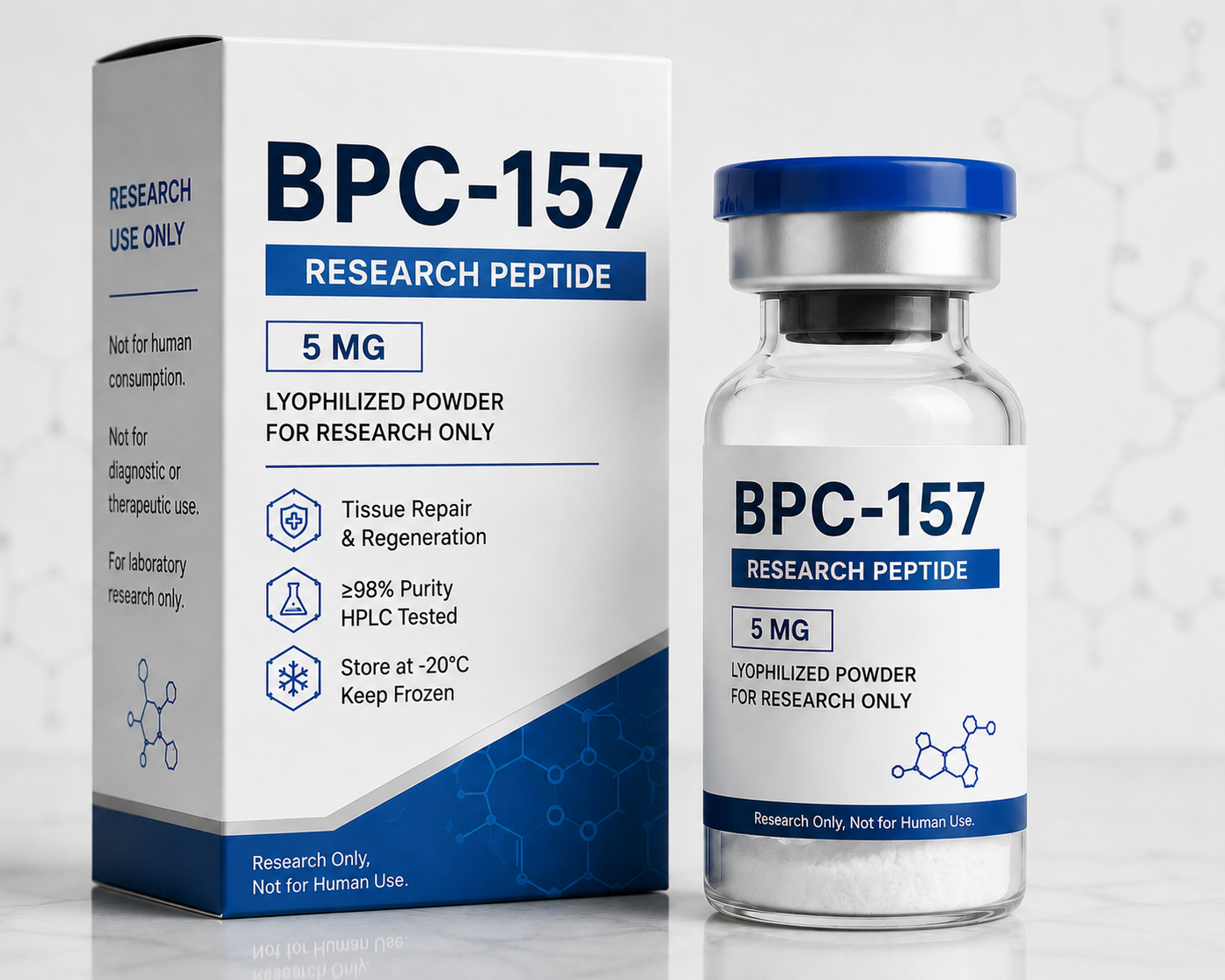
Quick Facts
BPC-157 (Body Protection Compound) is a synthetic pentadecapeptide derived from a protectiveprotein found in the human gastric juice. Renowned as a flagship peptide for tissue regeneration,BPC-157 is widely investigated for its robust ability to accelerate the healing of injured ligaments,tendons, muscles, and gastrointestinal tissues. By modulating systemic inflammatory pathways,promoting angiogenesis (the formation of new blood vessels), and enhancing cellular migration, itfacilitates a comprehensive recovery process. Administered as an injection or oral supplement, itstands as a cornerstone in regenerative medicine for both acute injury recovery and chronic tissuemaintenance.
What Is BPC-157?
BPC-157 (Body Protection Compound-157) is a synthetic peptide derived from a protective protein naturally found in human gastric juice. It has gained attention in regenerative medicine research for its potential to accelerate the healing of tendons, ligaments, muscles, nerves, bones, and the gastrointestinal tract. BPC-157 promotes angiogenesis (new blood vessel formation), supports collagen production, reduces inflammation, and enhances tissue regeneration following injury. It has also been investigated for protecting the digestive system, improving wound healing, and supporting recovery after surgery or intense physical activity. Although promising, BPC-157 remains an investigational peptide, and further human clinical research is ongoing.
Introduction: The Biological Origins of Body Protection Compound
In the expansive and rapidly evolving landscape of regenerative medicine and peptide therapy, BPC-157 stands as the undisputed flagship—the premier, lead product in the category of tissue recovery and healing. BPC-157, which stands for "Body Protection Compound-157," is a synthetically isolated, 15-amino-acid sequence derived from a naturally occurring protective protein found in human gastric juice. In the human body, the harsh, highly acidic environment of the stomach requires a constantly renewing, highly resilient protective mechanism to prevent the gastric acid from digesting the stomach lining itself. BPC-157 was discovered as the key biological agent responsible for this incredible regenerative capacity. Scientists quickly realized that the profound healing properties of this compound were not restricted to the gastrointestinal tract. When isolated and administered systemically, BPC-157 acts as a universal cytoprotective (cell-protecting) and regenerative agent, dramatically accelerating the healing rate of almost every tissue in the human body, including muscles, tendons, ligaments, bones, and the central nervous system. It represents a fundamental paradigm shift from traditional sports medicine: rather than simply suppressing pain or inflammation with corticosteroids (which ultimately degrade tissue), BPC-157 physically reconstructs the damaged cellular architecture, returning the athlete or patient to a state of absolute structural integrity.
Mechanism of Action: Angiogenesis and the VEGF Pathway
The primary mechanism by which BPC-157 exerts its seemingly miraculous healing effects is through the aggressive stimulation of angiogenesis—the physiological process through which new blood vessels form from pre-existing vessels. Tissue repair is strictly limited by blood supply; without a robust flow of oxygen, nutrients, and immune cells to the site of an injury, healing stalls. BPC-157 powerfully upregulates the expression of Vascular Endothelial Growth Factor (VEGF), the master signaling protein that controls the creation of new capillaries. By forcing the rapid construction of a dense, highly efficient capillary network directly into the site of trauma, BPC-157 completely alters the biological environment of the injury. It essentially transforms a stagnant, oxygen-deprived wound into a hyper-oxygenated, nutrient-dense construction site. This mechanism is the core reason why BPC-157 can slash recovery times for severe muscular tears and crush injuries by more than half, allowing elite athletes to return to peak performance in a fraction of the traditionally expected timeframe.
Tendon, Ligament, and Bone Healing: Overriding the Avascular Limitation
While muscle tissue heals relatively quickly due to its rich blood supply, connective tissues—tendons, ligaments, and cartilage—are notoriously avascular. Because they lack adequate blood flow, a torn tendon or a sprained ligament can take months or even years to fully heal, and often the repaired tissue is scarred, brittle, and highly prone to re-injury. BPC-157 specifically targets and overrides this avascular limitation. Research demonstrates that BPC-157 directly accelerates the outgrowth and proliferation of tendon fibroblasts, the specialized cells responsible for synthesizing collagen and rebuilding the tendon matrix. Furthermore, it heavily upregulates the FAK (Focal Adhesion Kinase) and paxillin pathways, which are essential for cellular migration and survival during tissue remodeling. In clinical models of severed Achilles tendons and crushed medial collateral ligaments (MCLs), BPC-157 administration not only accelerated the closure of the defect but profoundly improved the biomechanical strength of the healed tissue. Most impressively, BPC-157 facilitates the rapid healing of the tendon-to-bone junction—a notoriously difficult anatomical integration that frequently fails following orthopedic surgical repair. By promoting simultaneous bone healing (osteogenesis) and soft tissue repair, BPC-157 ensures a seamless, bulletproof structural integration.
Gastrointestinal Rehabilitation and the Gut-Brain Axis
Given its origins in human gastric juice, it is unsurprising that BPC-157 is an unparalleled therapeutic agent for gastrointestinal pathologies. Modern lifestyles, chronic stress, processed foods, and the overuse of Non-Steroidal Anti-Inflammatory Drugs (NSAIDs) heavily degrade the endothelial lining of the gut. This leads to increased intestinal permeability, colloquially known as "Leaky Gut Syndrome," where toxins and undigested proteins leak into the bloodstream, triggering severe systemic autoimmune responses. BPC-157 physically rebuilds the tight junctions between the intestinal epithelial cells, sealing the gut lining. It acts as a profound curative agent for gastric ulcers, Inflammatory Bowel Disease (IBD), Crohn's disease, and Ulcerative Colitis. By modulating the gut-brain axis, BPC-157 calms the localized immune response in the digestive tract, halts chronic diarrhea, and restores the optimal absorption of nutrients. For patients suffering from debilitating gastrointestinal distress, oral administration of BPC-157 often provides rapid, life-altering relief where traditional proton-pump inhibitors and immunosuppressants have failed.
Reversing the Damage of Corticosteroids and NSAIDs
For decades, the standard medical response to joint pain and sports injuries has been the prescription of NSAIDs (like Ibuprofen) and localized corticosteroid injections. While these interventions temporarily mask pain by suppressing inflammation, they carry a catastrophic secondary effect: they actively inhibit collagen synthesis, degrade cartilage, and destroy the stomach lining, ultimately making the underlying injury worse. BPC-157 acts as a direct, biological antidote to this iatrogenic damage. Clinical studies have shown that BPC-157 completely reverses the tissue-degrading effects of chronic corticosteroid use, allowing tissues that have been "thinned" or weakened by steroid injections to resume normal collagen production and structural repair. Additionally, it protects the liver and gastric mucosa from the toxic lesions induced by high-dose NSAID consumption. This cytoprotective capability makes BPC-157 an essential rehabilitative tool for athletes trying to recover from years of reliance on traditional, tissue-toxic pain management therapies.
Neuroprotection and the Modulation of Neurotransmitters
The healing properties of BPC-157 are not limited to the musculoskeletal and digestive systems; it exerts profound, highly documented neuroprotective effects within the central nervous system. BPC-157 significantly modulates the dopaminergic and serotonergic systems in the brain. It has been shown to protect the brain from neurotoxicity, reduce the severity of seizures, and significantly mitigate the symptoms of drug-induced behavioral sensitization. For individuals suffering from Traumatic Brain Injury (TBI), concussive syndromes, or severe neuro-inflammation, BPC-157 aids in the stabilization of the neural architecture. By promoting the health of the neurovascular unit and reducing localized brain inflammation, it helps clear the persistent "brain fog," chronic headaches, and emotional volatility that typically accompany chronic neurological trauma. Furthermore, its ability to modulate serotonin provides an intrinsic, subtle mood-stabilizing and antidepressant effect, which is critically beneficial for athletes navigating the severe psychological toll of being sidelined by a major injury.
Nitric Oxide Synthesis and Systemic Endothelial Health
A crucial component of BPC-157’s systemic efficacy relies on its modulation of the Nitric Oxide (NO) system. Nitric Oxide is a vital signaling molecule that controls vasodilation (the widening of blood vessels), blood pressure regulation, and cellular communication. BPC-157 influences the Nitric Oxide Synthase (NOS) pathway, effectively protecting the endothelial cells that line the entire cardiovascular system. In states of severe injury, trauma, or toxic shock, the NO system often becomes dysregulated, leading to impaired circulation and tissue damage. BPC-157 helps restore nitric oxide homeostasis, supporting healthy microcirculation and endothelial function while promoting efficient blood flow to injured tissues. These vascular-supporting properties contribute to its broad regenerative potential and its role in maintaining cardiovascular health during periods of physiological stress.
Synergistic Integration: The Ultimate Wolverine Protocol
While BPC-157 is highly regarded as a standalone regenerative peptide, its therapeutic potential is often explored in combination with other peptides. One of the most well-known pairings is BPC-157 with Thymosin Beta-4 (TB-500), commonly referred to as the "Wolverine Stack." In experimental and research settings, BPC-157 is associated with promoting angiogenesis and collagen synthesis, while TB-500 supports cellular migration, tissue remodeling, and inflammatory regulation. Together, these complementary mechanisms may provide comprehensive support for the repair of muscles, tendons, ligaments, and connective tissues. Although this combination is widely discussed within regenerative medicine communities, further human clinical research is needed to fully establish its safety and therapeutic effectiveness.
The Benchmark of Regenerative Pharmacology
BPC-157 has emerged as one of the most extensively discussed experimental peptides in regenerative medicine because of its broad range of biological activities observed in laboratory and animal studies. Research has investigated its potential to support tissue repair, gastrointestinal health, vascular function, and nervous system recovery through multiple regenerative pathways. Its versatility has made it a prominent focus of ongoing scientific investigation for musculoskeletal injuries and tissue healing. While the available preclinical evidence is promising, BPC-157 has not received broad regulatory approval as a therapeutic medication, and additional well-designed human clinical trials are necessary to confirm its long-term safety, efficacy, and appropriate medical applications.
BPC-157 Research Studies
Published clinical and preclinical research on BPC-157
BPC-157 Master of Angiogenesis (VEGF)
Clinical evaluations consistently rank BPC-157 as one of the most potent stimulators of Vascular Endothelial Growth Factor (VEGF). By forcing the creation of dense, highly efficient capillary networks, it rapidly oxygenates avascular tissues (like ligaments and tendons), bypassing the body's natural healing limits.
BPC-157 Tendon-to-Bone Healing
In severe orthopedic models, BPC-157 is uniquely capable of ensuring the seamless healing of the tendon-to-bone junction—a notoriously difficult feat in surgery. It heavily upregulates the FAK (Focal Adhesion Kinase) pathway, directing fibroblasts to rapidly synthesize organized, highly durable collagen.
BPC-157 Gastrointestinal Cytoprotection
Originating in the stomach, BPC-157 rapidly rebuilds the tight junctions of the intestinal epithelial lining. It is proven to aggressively heal fistulas, stop chronic diarrhea, and resolve severe gastric ulcers, providing a profound, disease-modifying cure for systemic gut dysfunction.
BPC-157 vs Other Peptides
How does BPC-157 compare to other leading research peptides?
| Feature | BPC-157 (FLAGSHIP) | THYMOSIN BETA-4(TB-500) | HUMAN GROWTHHORMONE (HGH) |
|---|---|---|---|
| PrimaryMechanism | Angiogenesis /Vascularization | Actin Remodeling / CellMigration | Systemic IGF-1Elevation |
| Target Tissue | Tendons, GI Tract,Ligaments | Muscles, SystemicInflammation | Global Organ & MuscleGrowth |
| Route of Admin | SubQ, IM, Oral | SubQ, IM | SubQ |
| Onset of Healing | Very Fast (Days toWeeks) | Fast (Weeks) | Slow (Months) |
| Best Synergy | Pairs flawlessly withTB-500 | Pairs flawlessly withBPC-157 | Highly synergistic withBPC-157 |
BPC-157 vs TB-500
- BPC-157 primarily accelerates localized healing of tendons, ligaments, muscles, nerves, and the gastrointestinal tract by promoting angiogenesis, collagen synthesis, and tissue regeneration.
- TB-500 works more systemically, enhancing cell migration, reducing inflammation, and improving flexibility while supporting recovery across multiple tissues throughout the body.
- While both peptides promote healing, BPC-157 is generally preferred for targeted injury repair and gut health, whereas TB-500 is often selected for widespread musculoskeletal recovery and overall tissue regeneration.
BPC-157 vs GHK-Cu
- BPC-157 focuses on accelerating the healing of connective tissues, muscles, tendons, ligaments, nerves, and the digestive tract while helping restore blood flow to injured areas.
- GHK-Cu is a copper-binding peptide that excels in collagen production, skin rejuvenation, wound healing, scar remodeling, hair growth, and extracellular matrix regeneration.
- For orthopedic injuries and gastrointestinal recovery, BPC-157 is typically the preferred option, while GHK-Cu is superior for skin repair, cosmetic anti-aging, scar reduction, and hair restoration.
Testing & Monitoring
Before starting BPC-157, healthcare providers may evaluate:
Medical History
MH>ul>
Laboratory Testing
LT- Systemic Inflammatory markers (hs-CRP, ESR) to track the resolution of chronic, localized inflammation.
- Advanced imaging (MRI, Ultrasound) is often used to establish a baseline of the tissue tear or degradation before beginning the protocol.
- Comprehensive Metabolic Panel (CMP) to ensure baseline organ health.
Monitoring During Treatment
MDT- Frequent tracking of physical pain scales, improvements in Joint Range of Motion (ROM), and ability to bear weight or handle mechanical loads.
- For GI patients: Tracking the reduction in bloating, acid reflux, diarrhea, and food sensitivities.
- Adjusting physical therapy protocols to safely match the hyper-accelerated rate of tissue repair, ensuring the new tissue matures correctly under load.
Frequently Asked Questions
Everything you need to know about peptide testing, certification, and compliance.
BPC-157 is the foundation of almost all regenerative protocols because it attacks the root cause of slow
healing: lack of blood flow. By forcefully creating new blood vessels (angiogenesis) right into the torn
tendon or damaged gut, it supplies the oxygen and building blocks needed to repair structures that the
body normally gives up on.
While BPC-157 has an excellent systemic effect (meaning a subcutaneous injection in the belly fat will
travel to the injured site), many elite sports medicine practitioners prefer localized injections. Injecting
sub-cutaneously or intramuscularly as close to the injury as safely possible often yields the fastest,
most concentrated healing response.
Yes. Because BPC-157 originates in gastric juice, it is one of the few peptides that survives digestion.
Oral capsules or liquid BPC-157 are incredibly effective, but they are typically reserved for treating
gastrointestinal issues like Leaky Gut, Crohn's, or ulcers. For a torn shoulder or knee, injections bypass
the gut and get to the musculoskeletal tissue faster.
This is the nickname given to the combination of BPC-157 and Thymosin Beta-4 (TB-500). They are
universally stacked together because BPC-157 builds the blood vessels and collagen, while TB-500
controls inflammation and muscle cell migration. Together, they create a perfect, highly accelerated
healing environment.
Does it require refrigeration?
Yes. If you are using the injectable form, once the lyophilized powder is reconstituted with bacteriostatic
water, the vial must be kept in the refrigerator (2°C - 8°C) to maintain stability. Oral capsules typically do
not require refrigeration but should be kept in a cool, dry place.
Certified Vendor Requirements
To qualify as a PeptideValidation.com Certified Vendor, companies must meet our rigorous multi-step testing and documentation standards. Certification is not bought — it is earned through independent verification.
🏆 Apply for CertificationTo qualify, vendors must:
-
Submit Batch Testing
Vendors must submit product samples for independent third-party lab testing before listing.
-
Pass Purity Requirements
All products must meet minimum purity thresholds verified by HPLC analysis.
-
Verify Identity via LC-MS
Molecular identity of each compound confirmed through liquid chromatography-mass spectrometry.
-
Maintain Full Documentation
COAs, batch records, and testing documentation must be publicly available on the vendor profile.
-
Undergo Quarterly Re-Testing
Certification requires mandatory re-testing every quarter to maintain active certified status.
Looking for Certified Peptide Sources?
Access our directory of independently reviewed and tested vendors who meet our rigorous testing and validation standards.
PeptideValidation.com is an independent testing and certification platform. We do not sell peptides or receive commission from vendors.
Access Certified Vendor DirectoryRelated Peptides
Tirzepatide
GLP-1 + GIP dual receptor agonist. FDA approved for type 2 diabetes and obesity management.
Learn More → 🧬GLP-1 AgonistSemaglutide
Gold standard GLP-1 receptor agonist. Marketed as Ozempic and Wegovy globally.
Learn More → ⚡Amylin AnalogueCagrilintide
Long-acting amylin analogue in Phase 3 trials as a combination therapy with semaglutide.
Learn More → 🔥Dual AgonistSurvodutide
GLP-1 + Glucagon dual agonist by Boehringer Ingelheim currently in Phase 3 clinical trials.
Learn More → 🏋️Dual AgonistMazdutide
GLP-1 + Glucagon dual agonist showing strong metabolic and weight loss outcomes in trials.
Learn More → 🩺Healing PeptideBPC-157
Body Protection Compound. Researched for tissue repair, gut healing, and accelerated recovery.
Learn More → 💪Recovery PeptideTB-500
Thymosin Beta-4 fragment. Researched for muscle recovery, flexibility, and anti-inflammatory effects.
Learn More →